Common Reasons Residential Stamped Concrete Cracks and Fades Over Time
Local contractors specializing in residential stamped concrete repair can help address common reasons for cracks and fading, restoring your concrete’s appearance and durability.
Homeowners with stamped concrete driveways, patios, or walkways often notice cracks or fading over time, which can be a common concern for property owners in the area. Understanding the practical reasons behind these issues can help in maintaining the beauty and durability of stamped concrete surfaces. Factors such as improper installation, exposure to harsh weather conditions, and regular wear and tear are typical contributors that local contractors frequently address through repair and restoration services.
Exploring the common reasons residential stamped concrete cracks and fades over time is a useful step for those considering repairs or seeking advice on preserving their outdoor spaces. Local service providers specializing in stamped concrete repair have the experience to identify the underlying causes and recommend effective solutions. Keep reading to learn more about what might be affecting your stamped concrete and how professional repair options can help restore its appearance and strength.
- Homeowners noticing cracks or fading in their residential stamped concrete often seek repair services handled by experienced local contractors who specialize in restoring stamped surfaces. - When stamped concrete begins to fade or develop surface cracks over time, local pros can perform resurfacing or patching to improve appearance and durability. - Cracks caused by shifting soil or heavy loads are common reasons for residential stamped concrete repairs, with local service providers offering solutions to stabilize and repair damaged areas. - Fading or surface deterioration in stamped concrete may prompt homeowners to seek repair from local contractors skilled in restoring color and texture to extend the lifespan of the surface. - Over time, weathering can lead to cracks and fading in residential stamped concrete, and local pros can address these issues through proper sealing and repair techniques.
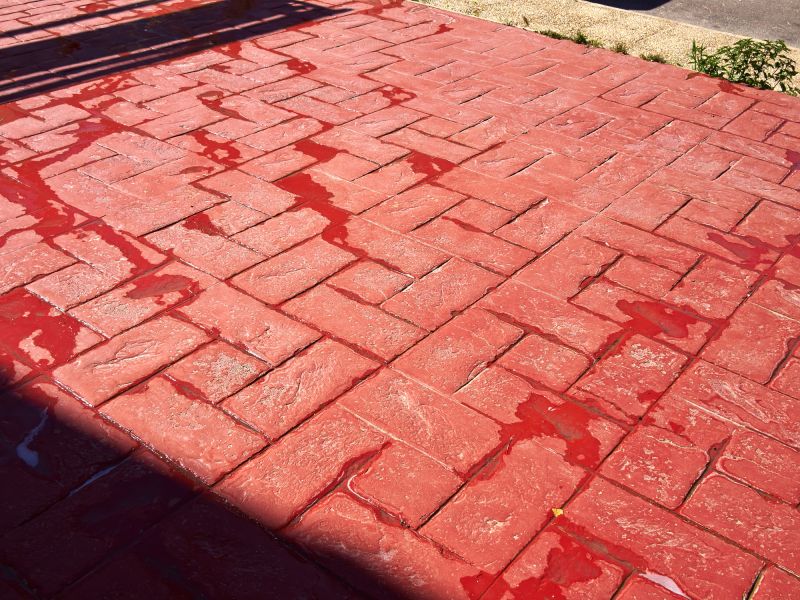
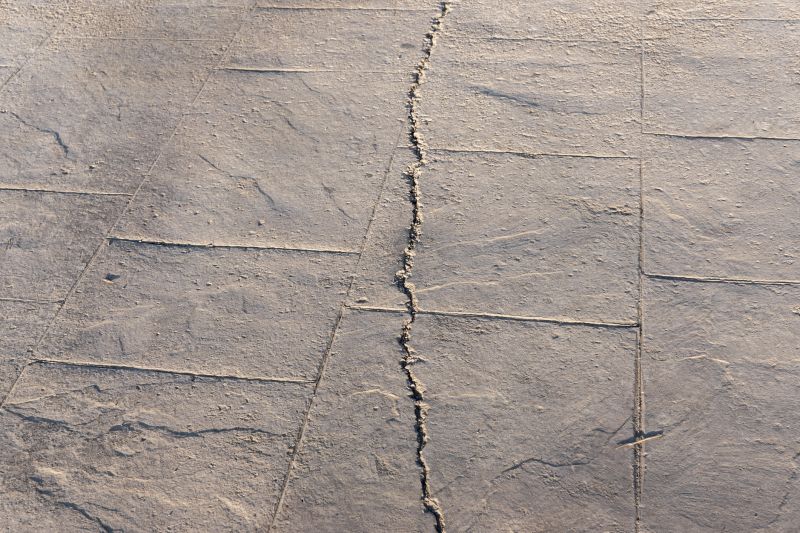
When homeowners search for information about common reasons residential stamped concrete cracks and fades over time, they are usually trying to understand why their decorative concrete surfaces are showing signs of damage or deterioration. These concerns often arise after a few years of installation, prompting questions about the longevity of stamped concrete and what might be causing issues. Property owners may notice cracks forming in their driveways, patios, or walkways, or observe that the vibrant color and textured patterns are losing their original appeal. Understanding these common problems helps homeowners determine whether repairs are needed and how to prevent further damage, making this a relevant topic for those planning or maintaining stamped concrete features.
This topic is closely related to a range of property improvement and repair plans. Many homeowners consider stamped concrete for aesthetic upgrades to enhance curb appeal or create a cohesive outdoor living space. When cracks appear or fading occurs, it often signals the need for repairs or resurfacing to restore the surface’s appearance and functionality. These issues can also influence decisions about sealing or resealing the concrete, as well as choosing appropriate ongoing maintenance strategies. Knowing the typical causes of cracking and fading can help property owners work more effectively with local contractors who specialize in stamped concrete repair, ensuring that repairs are properly addressed and the lifespan of the surface is extended.
Properties that commonly encounter these issues include residential driveways, patios, pool decks, and walkways. These surfaces are exposed to daily foot and vehicle traffic, weather fluctuations, and environmental elements that contribute to wear and tear. Homes with concrete surfaces that were installed several years ago are particularly susceptible, especially if the original installation did not include proper curing or sealing procedures. Additionally, properties located in regions with extreme temperature changes, heavy rainfall, or frequent freeze-thaw cycles tend to experience more cracking and fading. Local contractors experienced in stamped concrete repair often work with these types of properties to identify the root causes of damage and recommend suitable solutions to preserve or restore the decorative surface.
Understanding the common reasons residential stamped concrete cracks and fades over time is essential for homeowners who want to maintain the beauty and durability of their outdoor spaces. Many issues stem from natural expansion and contraction due to weather conditions, improper installation techniques, or lack of regular maintenance. Cracking can also be caused by ground movement or settling beneath the concrete, while fading often results from prolonged exposure to sunlight and the effects of weathering. Local service providers can assess these problems, identify underlying causes, and recommend appropriate repair or restoration options. Connecting with experienced contractors ensures that repairs are handled correctly, helping to prolong the life of the stamped concrete and keep outdoor spaces looking their best.
Concrete driveway replacement - professionals experienced in stamped concrete can handle repairs for cracks and fading, ensuring durability and aesthetic appeal.
Patio and walkway resurfacing - similar skills are needed to restore stamped surfaces affected by cracking or fading over time, maintaining their visual integrity.
Outdoor flooring installation - contractors skilled in stamped concrete can address issues related to cracking and fading in various outdoor surfaces.
Decorative concrete overlay services - experts in applying overlays can repair and rejuvenate stamped concrete surfaces that have experienced wear and tear.
Concrete sealing and waterproofing - these services help prevent further damage, which is crucial for addressing common reasons residential stamped concrete cracks and fades over time.
Garage floor coating projects - local service providers can manage repairs to stamped concrete garage floors that are cracking or fading, restoring their appearance and strength.
When evaluating contractors for residential stamped concrete repair, it is important to consider their experience with similar projects. A contractor who has handled issues like cracks and fading in stamped concrete can offer insights into common causes and effective solutions. Inquiring about their past work on projects comparable in size and scope can help determine their familiarity with the unique challenges that stamped concrete may present over time. This background can also indicate their ability to identify underlying issues that contribute to cracking and fading, ensuring that repairs address both surface appearance and structural integrity.
Clear, written expectations are essential when comparing local service providers. A reputable contractor should be able to provide detailed descriptions of the repair process, including the methods they will use to address cracks and fading, as well as the materials involved. Having this information in writing helps prevent misunderstandings and ensures that the homeowner and contractor are aligned on project goals. It also provides a record to reference throughout the repair process, which can be valuable in addressing any questions or concerns that arise.
Reputable references and good communication are key factors in selecting a reliable contractor. Asking for references from previous clients who had similar work done can offer valuable insights into the contractor’s reliability, quality of work, and professionalism. Additionally, a contractor who communicates clearly and promptly can help clarify the causes of common issues like cracking and fading, and recommend appropriate repair solutions. Good communication fosters trust and ensures that the homeowner feels informed and confident throughout the repair process, leading to a more satisfactory outcome.
Property owners often search for common reasons residential stamped concrete cracks and fades over time when they are planning practical projects around their homes and businesses. Local pros provide Residential Stamped Concrete Repair services for everyday jobs and straightforward project options.
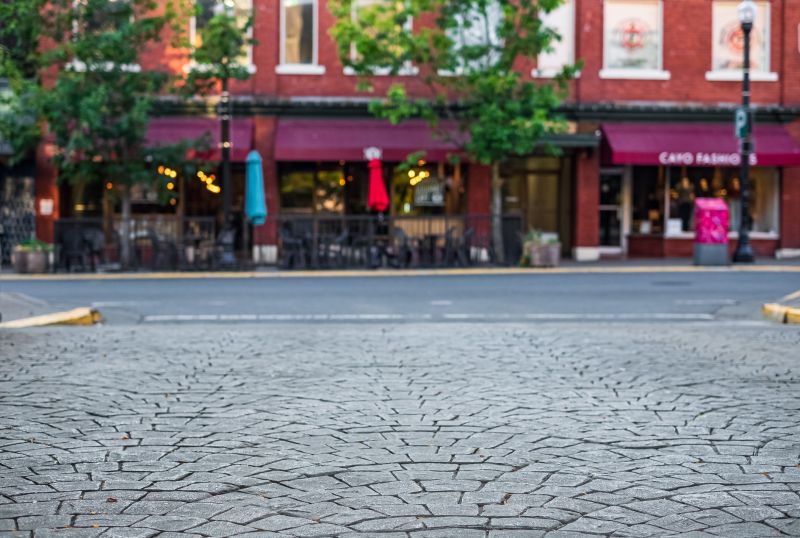
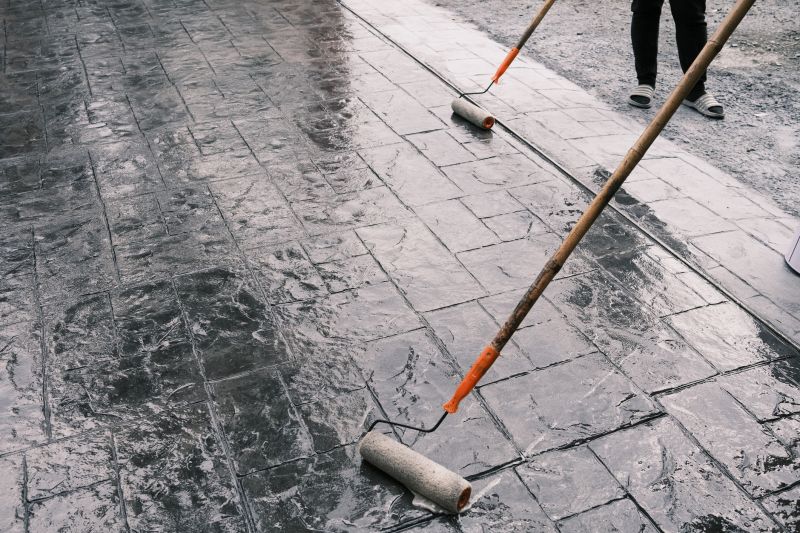
Many residential stamped concrete surfaces are susceptible to cracking and fading over time due to common project situations and everyday wear. One frequent cause is exposure to fluctuating weather conditions, such as freeze-thaw cycles, which can cause the concrete to expand and contract, leading to cracks. Additionally, improper installation practices-like inadequate base preparation or insufficient curing-can weaken the surface, making it more prone to damage as it ages. Property owners noticing these issues often seek the expertise of local contractors who specialize in stamped concrete repair to restore the appearance and integrity of their outdoor spaces.
Over time, natural elements like sunlight and moisture can contribute to the fading of stamped concrete, dulling its color and pattern. Heavy foot traffic or the use of harsh cleaning chemicals can also accelerate wear, causing surface cracks or discoloration. In many cases, these common reasons residential stamped concrete cracks and fades over time prompt property owners to explore repair options. Local service providers are equipped to assess the specific causes of damage and recommend appropriate solutions to help maintain the durability and aesthetic appeal of stamped concrete surfaces.
What causes cracks in residential stamped concrete over time? Cracks often develop due to soil movement, improper installation, or temperature fluctuations that cause expansion and contraction of the concrete surface.
Why does stamped concrete tend to fade over time? Fading typically results from sun exposure, weathering, and the loss of decorative color due to UV rays and environmental elements.
How can improper curing affect stamped concrete durability? Inadequate curing can lead to uneven setting, increased susceptibility to cracking, and reduced resistance to fading, which local contractors can help address.
What role does soil stability play in cracking stamped concrete? Unstable or shifting soil underneath the concrete can cause movement, leading to cracks and structural issues that repair specialists can mitigate.
Can fading be prevented in stamped concrete? Proper sealing, regular maintenance, and choosing high-quality materials can help prevent or slow fading, with local service providers offering suitable solutions.
Understanding soil movement - property owners can work with local contractors to assess soil stability and prevent cracking caused by shifting ground beneath stamped concrete.
Choosing durable materials - selecting high-quality concrete mixes and sealers can help reduce fading and cracking over time, with guidance from experienced service providers.
Proper installation techniques - ensuring correct preparation and curing methods during installation can minimize early cracks and fading, which local pros can provide.
Regular maintenance practices - scheduling routine sealing and inspections with local contractors can extend the lifespan and appearance of stamped concrete.
If you are thinking about common reasons residential stamped concrete cracks and fades over time for a property, this guide is meant to help you understand this topic, the typical project types, and how different options might fit your plans.
When you are ready, you can use the quote form on this page to share a few details about your project. From there, local pros can review the basics and follow up with options that match what you have in mind.