Colored Concrete Walls vs. Traditional Concrete Finishes
People seeking concrete wall finishing often want durable, attractive surfaces, and local contractors can help them choose and apply colored or traditional finishes to meet their style and needs.
Visitors exploring options for concrete wall finishes are in the right place. Whether property owners are considering aesthetic updates, durability, or maintenance needs, understanding the differences between colored concrete walls and traditional concrete finishes can help inform smarter decisions. This topic is especially relevant for those looking to enhance curb appeal or create a unique visual impact around their property, all while relying on the expertise of local contractors who specialize in concrete wall finishing services. Continuing to read can provide practical insights into how these options compare and how local service providers can bring these ideas to life.
Choosing between colored concrete walls and traditional finishes often involves weighing factors like style preferences, environmental conditions, and long-term performance. Property owners in the area might explore this topic to find solutions that align with their specific aesthetic goals or functional needs. Local contractors who specialize in concrete wall finishing can offer tailored advice and craftsmanship to help achieve the desired look, whether that’s a vibrant, customized color or a classic, understated finish. Staying informed about the options can make it easier to connect with the right professionals for your project.
- Concrete wall finishing services are needed when homeowners want to enhance the appearance and durability of their walls with either colored or traditional concrete options. Local contractors approach colored concrete walls vs. traditional concrete finishes by applying specialized stains, dyes, or overlays to achieve vibrant hues or subtle tones, depending on client preferences. When designing decorative or visually distinctive spaces, service providers can help select the right finish to match the desired aesthetic and ensure proper application techniques. For projects requiring unique textures or color integration, local pros employ custom finishing methods to create a seamless and long-lasting surface.

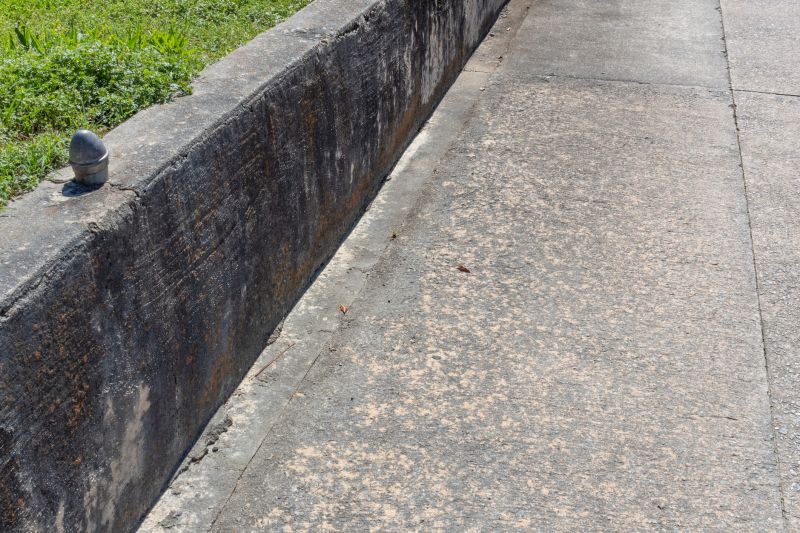
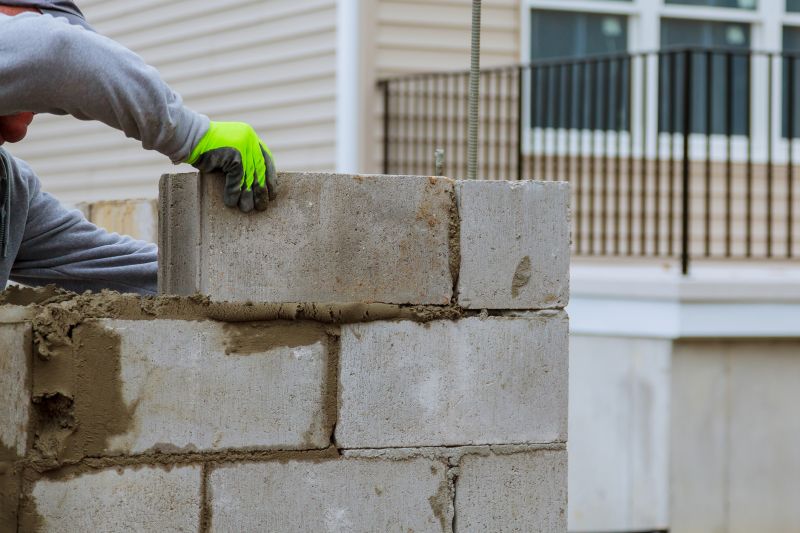
When homeowners search for information on colored concrete walls versus traditional concrete finishes, they are often exploring options for enhancing the appearance and durability of their property’s exterior or interior surfaces. This comparison typically comes up during renovation or new construction projects where the goal is to achieve a specific aesthetic or improve the visual appeal of concrete surfaces. People may be considering colored concrete walls for their decorative potential or looking at traditional finishes for their classic, straightforward look. The decision often involves weighing factors such as style preferences, maintenance needs, and how well the finish aligns with the overall design vision of a property.
This topic relates closely to projects involving boundary walls, retaining walls, or decorative facades on residential and commercial properties. Homeowners might be planning to upgrade their backyard retaining wall, create a striking feature wall in a patio, or add curb appeal to a driveway or entryway. These projects often require a clear understanding of the differences between colored concrete and traditional finishes to ensure the chosen style complements the property’s architecture. Local contractors who specialize in concrete wall finishing can provide guidance on how each option performs over time and help select the best approach based on the property's specific needs and aesthetic goals.
Problems that often prompt homeowners to explore colored concrete walls versus traditional finishes include concerns about longevity, color fading, and the ability to customize the look. Traditional finishes, such as plain poured or stamped concrete, tend to offer a more subdued, uniform appearance but may lack the visual interest some property owners desire. Conversely, colored concrete walls provide a vibrant, personalized touch that can mimic natural stone, brick, or other textures, making them appealing for those seeking a distinctive appearance. Understanding these differences helps homeowners plan projects that balance visual impact with practical considerations like maintenance and weather resistance, with local service providers ready to assist in choosing and applying the right finish.
Properties that commonly feature these concrete finishes include residential homes, commercial buildings, parks, and community spaces. Residential properties often use colored concrete for decorative retaining walls, garden borders, or patio features to add personality and curb appeal. Commercial properties might incorporate colored or traditional concrete walls for fencing, boundary demarcations, or architectural accents. Public spaces and landscape projects frequently choose between these finishes to create visually engaging environments that withstand weather and heavy use. Connecting with experienced local contractors can ensure the chosen concrete finish aligns with the property’s style and functional requirements, whether aiming for a bold, colorful statement or a more classic, understated look.
Stamped concrete projects - These projects involve creating decorative patterns and textures on concrete surfaces, requiring similar planning and finishing skills as colored concrete walls versus traditional finishes.
Exterior patio installations - Designing and finishing outdoor concrete surfaces with various textures and colors aligns with the techniques used in colored concrete walls and traditional finishes.
Interior concrete flooring - Applying decorative finishes and color treatments on concrete floors shares tools and planning considerations with wall surface treatments.
Concrete countertop fabrication - Crafting custom finishes and color effects on countertops involves skills comparable to those used in decorative wall finishes.
Retaining wall construction - Building and finishing retaining walls with aesthetic enhancements requires expertise in concrete surface treatments similar to colored and traditional finishes.
Garage floor coatings - Applying decorative and protective coatings on garage floors involves techniques used in colored concrete wall finishes and traditional surface treatments.
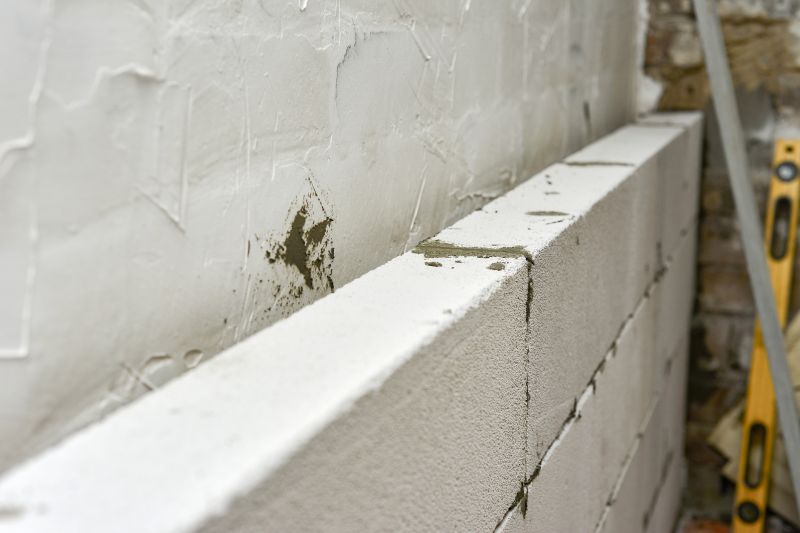
When comparing service providers for concrete wall finishing, it’s important to evaluate their experience with similar projects. Homeowners should seek out local contractors who have a proven track record working specifically with colored concrete walls and traditional finishes. An experienced professional will understand the nuances of each approach, including the preparation, application techniques, and finishing details that ensure a durable and visually appealing result. Asking for examples of past work or references related to similar projects can offer valuable insight into their expertise and consistency in delivering quality outcomes.
Clear, written expectations are essential when choosing a contractor for concrete wall finishing services. Homeowners should ensure that the scope of work, materials, and finishes are thoroughly documented in the project plan. This helps prevent misunderstandings and provides a point of reference throughout the process. When evaluating local service providers, it’s beneficial to discuss how they approach the differences between colored concrete walls and traditional finishes, including the customization options, maintenance considerations, and overall aesthetic goals. Transparent communication about these aspects can lead to a smoother project and a final result that aligns with the homeowner’s vision.
Reputable references and strong communication are key indicators of a reliable contractor. Homeowners are encouraged to seek out local pros who can provide references from previous clients, especially those who have completed similar types of wall finishes. Listening to feedback about the contractor’s professionalism, responsiveness, and ability to meet expectations can help gauge the quality of service. Additionally, good communication throughout the project ensures that homeowners stay informed about progress, potential issues, and any adjustments needed. Choosing a service provider who values clear dialogue and has a history of satisfied clients can make the process of selecting between colored concrete walls and traditional finishes more straightforward and less stressful.
Property owners often search for colored concrete walls vs. traditional concrete finishes when they are planning practical projects around their homes and businesses. Local pros provide Concrete Wall Finishing services for everyday jobs and straightforward project options.
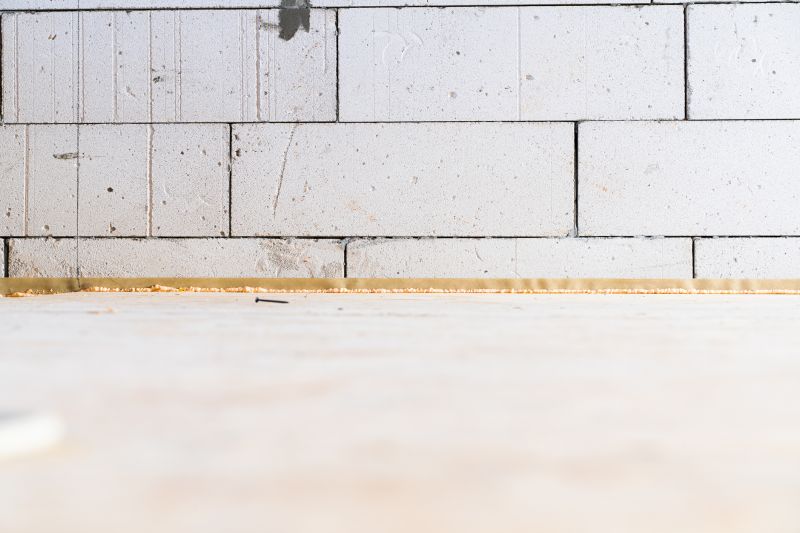
When considering concrete wall finishes for a property, many property owners in the area weigh the visual appeal and durability of colored concrete walls against traditional concrete finishes. Colored concrete offers a vibrant, customized look that can enhance the style of outdoor spaces, driveways, or accent walls, making them stand out with a unique personality. On the other hand, traditional concrete finishes tend to provide a more classic, understated appearance that emphasizes simplicity and longevity, often requiring less maintenance over time. Property owners often look up this topic to determine which finish best aligns with their aesthetic preferences and the practical needs of their project, seeking guidance from local contractors experienced in both options.
Choosing between colored concrete walls and traditional finishes also involves considering factors like weather resistance and overall cost-effectiveness. Local service providers can help property owners explore the benefits of each option, including how colored concrete might require specific sealing or finishing techniques to maintain its appearance, while traditional finishes may be easier to repair or touch up. Many property owners turn to local contractors to get expert advice tailored to their specific project, ensuring they select a concrete wall finishing that complements their property’s style and meets their durability expectations. Connecting with experienced local pros can help clarify which approach makes the most sense for their needs and ensure the work is completed to their satisfaction.
What are the main differences between colored concrete walls and traditional concrete finishes? Colored concrete walls incorporate pigments to add color throughout the material, offering vibrant and uniform appearances, while traditional finishes typically involve plain concrete surfaces with minimal or no coloring, often resulting in a more neutral look.
Are colored concrete walls more durable than traditional concrete finishes? Both options can be durable, but colored concrete walls often have added protective sealers that help resist fading and staining, potentially extending their lifespan compared to standard traditional finishes.
Can local contractors customize the appearance of colored concrete walls? Yes, many local service providers offer various coloring techniques, patterns, and textures to tailor the look of colored concrete walls to match specific aesthetic preferences or design goals.
Is the installation process different for colored concrete walls compared to traditional finishes? The process may involve additional steps such as mixing in color pigments or applying color treatments, but experienced contractors are skilled in both methods and can execute each finish effectively.
What maintenance considerations are there for colored concrete walls versus traditional finishes? Colored concrete walls may require periodic sealing to maintain color vibrancy and protect against staining, whereas traditional concrete finishes often need less frequent maintenance but might show wear or discoloration more readily over time.
Color selection ideas - Property owners can explore various color options to match their exterior or interior design themes with the help of local contractors specializing in colored concrete walls.
Design customization - Using colored concrete walls allows for creative patterns or accents that can enhance the aesthetic appeal of a property, with local pros providing tailored finishing techniques.
Finish options comparison - Considering the different textures and surface finishes available with traditional concrete versus colored concrete walls can help property owners achieve their desired look, with local service providers offering guidance.
Durability considerations - Property owners can discuss with local contractors the longevity and maintenance needs of colored concrete walls compared to traditional finishes to make informed choices for their projects.
If you are thinking about colored concrete walls vs. traditional concrete finishes for a property, this guide is meant to help you understand this topic, the typical project types, and how different options might fit your plans.
When you are ready, you can use the quote form on this page to share a few details about your project. From there, local pros can review the basics and follow up with options that match what you have in mind.